More than what you see: Instagram's Algorithm as a Funhouse Mirror
Dive into a personal exploration of Instagram's "For You Page" and discover how algorithms shape our digital identity, often missing the full picture of who we truly are.
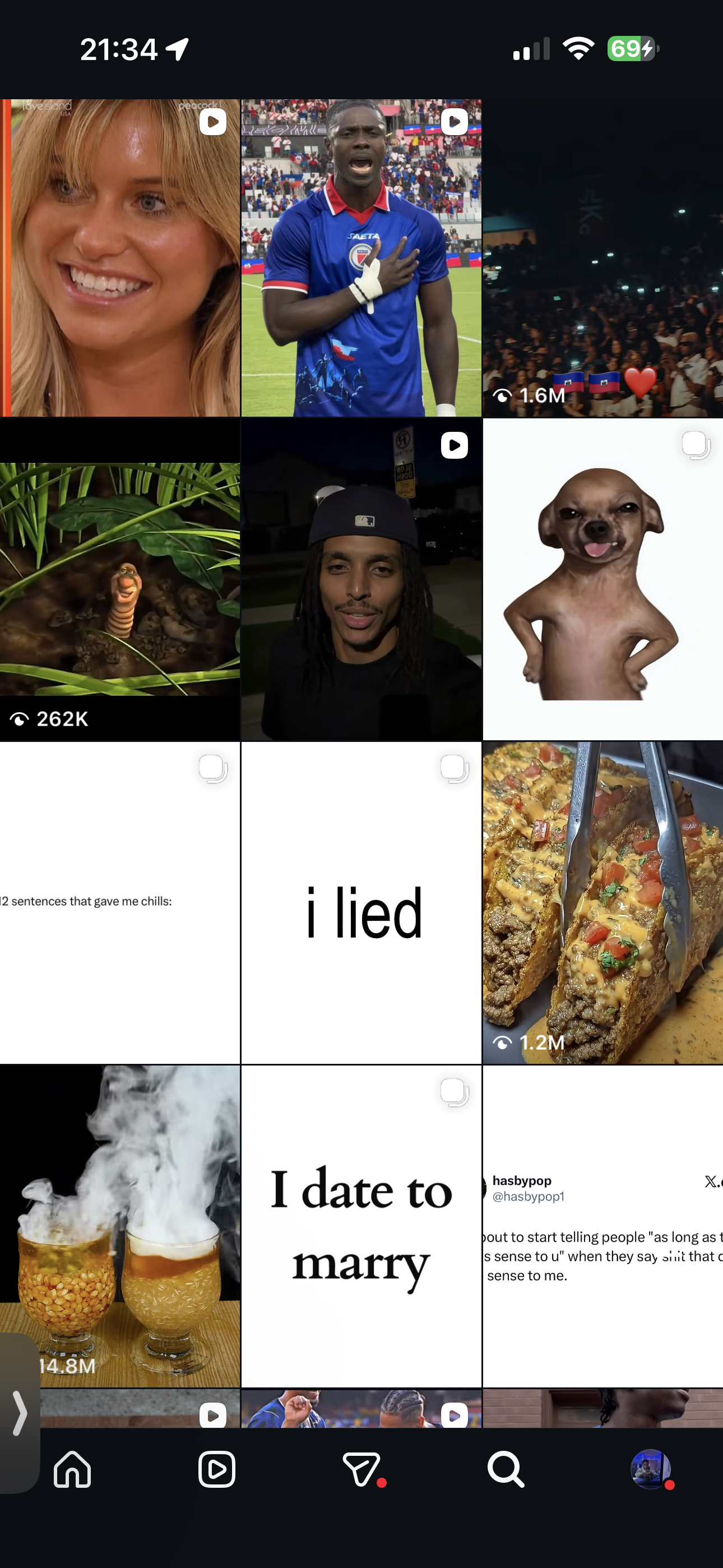
Instagram Explore Page
Instagram’s Explore Page is a personalized feed that uses algorithms to recommend content based on a user’s activity, including likes, searches, and interactions. I chose to analyze my Explore Page to better understand how Instagram interprets my identity and interests through the content it shows me. My main argument is that Instagram acts as a “funhouse mirror” because it reflects certain parts of who I am—such as my cultural background and interests—while exaggerating some aspects and completely ignoring others, creating a distorted version of my identity.
Figure 1. explore page
Instagram's Algorithm as a Funhouse Mirror
Social media algorithms are designed to create personalized experiences by recommending content based on a user's behavior. Every like, search, comment, share, and view contributes to a digital profile that platforms use to determine what users see, because of this personalization social media feeds often seems to know users. However, these algorithmic portraits are not always accurate reflections of reality. After analyzing my Instagram Explore page, I concluded that Instagram's algorithm functions as a funhouse mirror rather than a true reflection of my identity. While it successfully identifies some of my interests, it exaggerates certain aspects of who I am, creating a distorted representation of my identity.
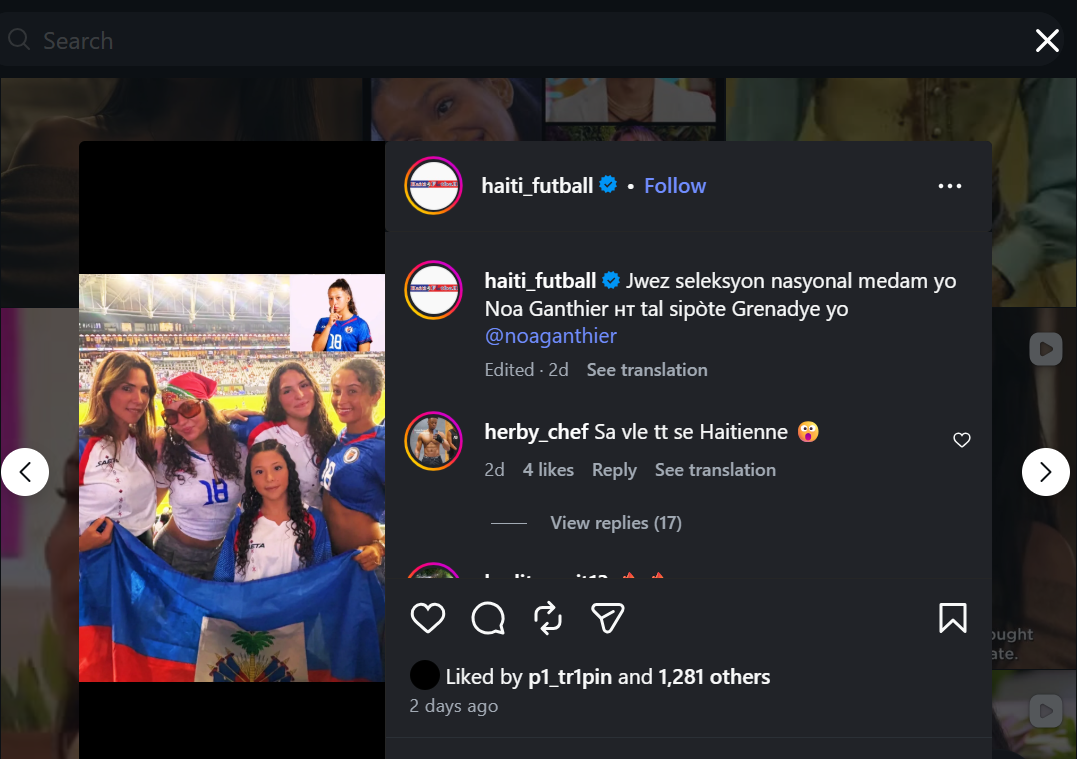
One area where the algorithm accurately reflects my identity is my connection to Haitian culture. Several posts on my Explore page focused on Haiti, including a Haitian soccer player and content featuring Haitian flags and music. These recommendations show that Instagram recognizes my national pride.
Figure 2. Haitian cultural content featuring music, national pride, and community.
The posts use visual rhetoric by displaying recognizable cultural symbols and creating feelings of community and nostalgia. In this way, the algorithm acts like a mirror by reflecting a genuine aspect of my identity. Nora McDonald explains that "personalized algorithmic content does seem to present what teens interpret as a reliable mirror image of themselves." This quote describes my experience because the Haitian content on my Explore page reflects an important part of my background and personal identity.
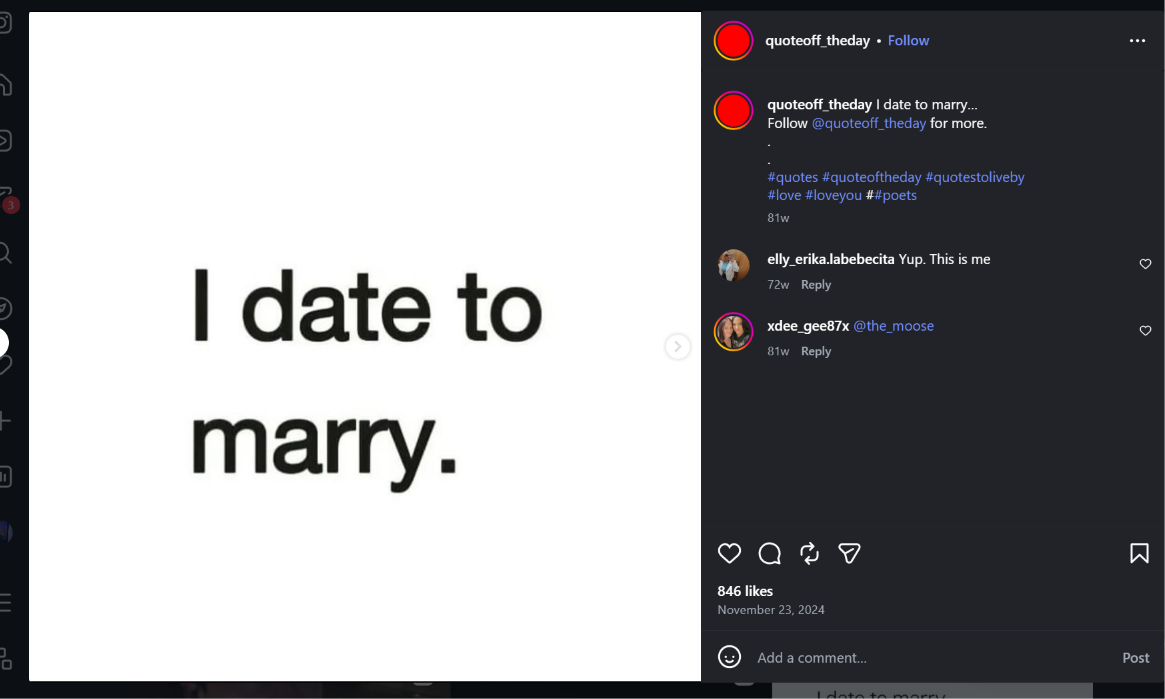
Another dominant pattern on my Explore page is entertainment based content. Relationship posts, humorous memes, and food videos appear frequently throughout my feed. One post stated, "I date to marry," while other posts used humor and visually appealing images to attract attention. These posts rely heavily on emotional appeals, encouraging users to engage through laughter.
Figure 3. Relationship-oriented content appearing on my Explore page.
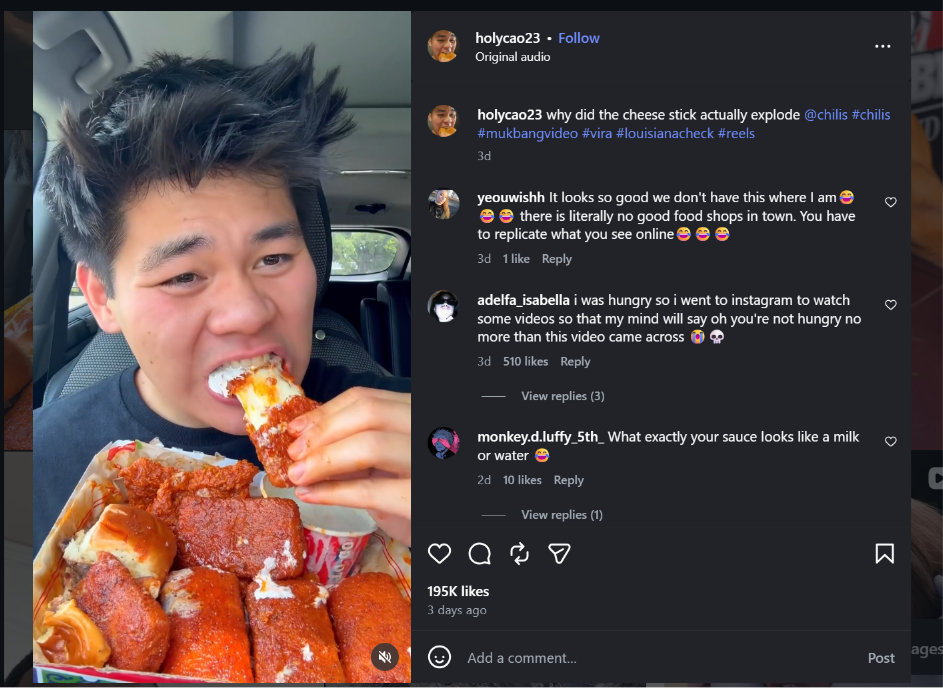
Maria Bridge, Chief Communications Officer at the Center for Humane Technology, explains that persuasive technology often creates "endless possibilities for seeking but few experiences that satisfy us.". This quote explains why content like relationship advice, memes, and food videos dominate my feed. The content encourages continuous scrolling, engagement rather than meaningful fulfillment.
Figure 4. Food-related content designed to attract attention through visually appealing imagery.
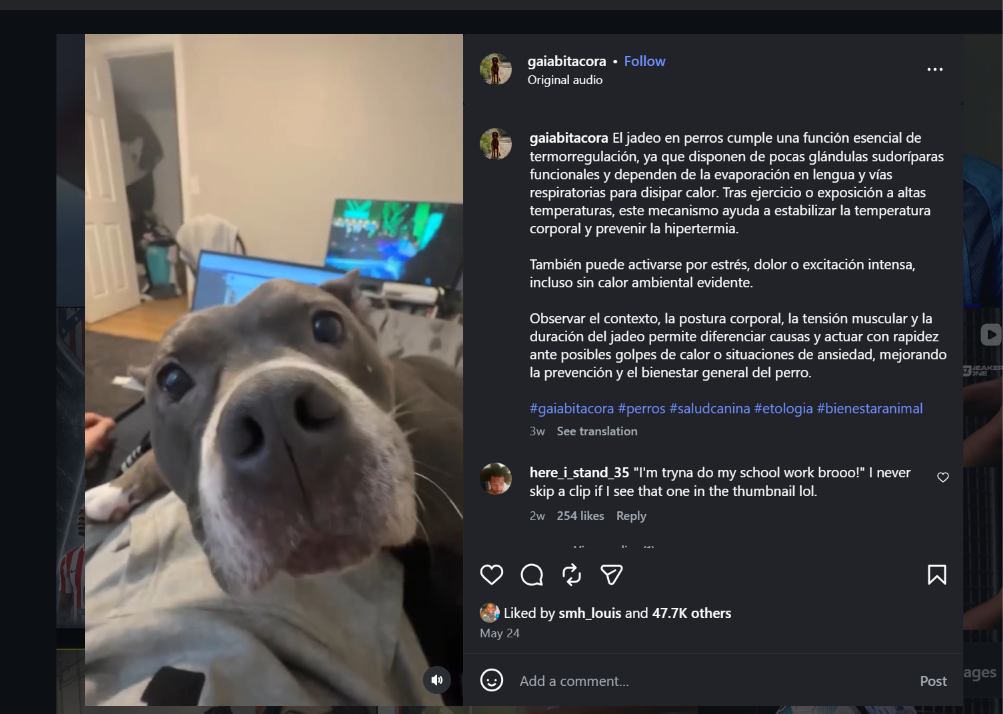
The algorithm appears to assume that entertainment is one of my most important interests because it consistently recommends similar posts.
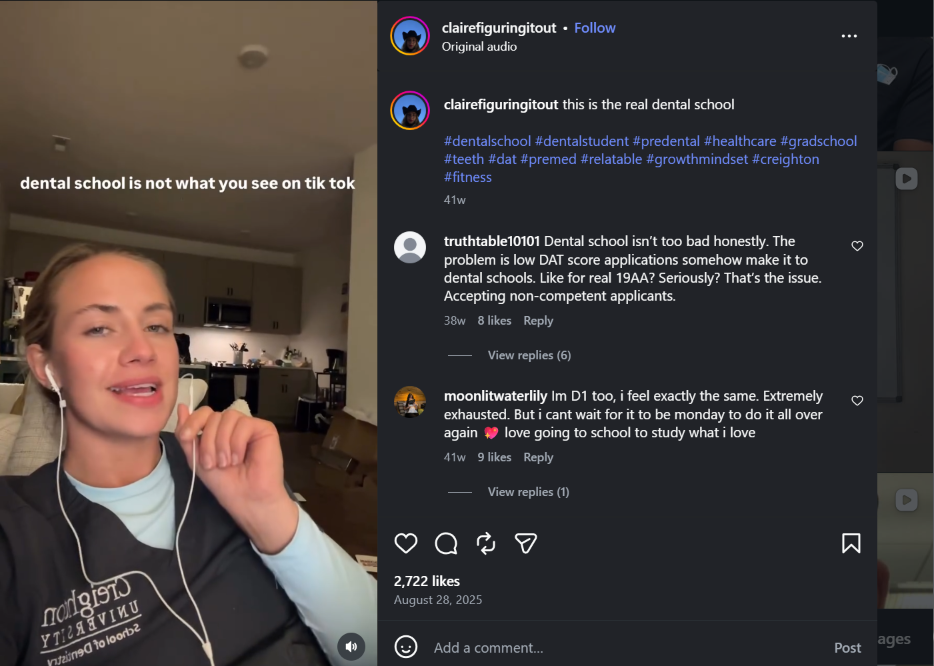
Although some recommendations accurately reflect my interests, other content reveals the limitations of the algorithm. One unexpected recommendation was a dental education post explaining cavity classifications. While I am interested in healthcare and medicine, I do not regularly engage with dentistry related content.
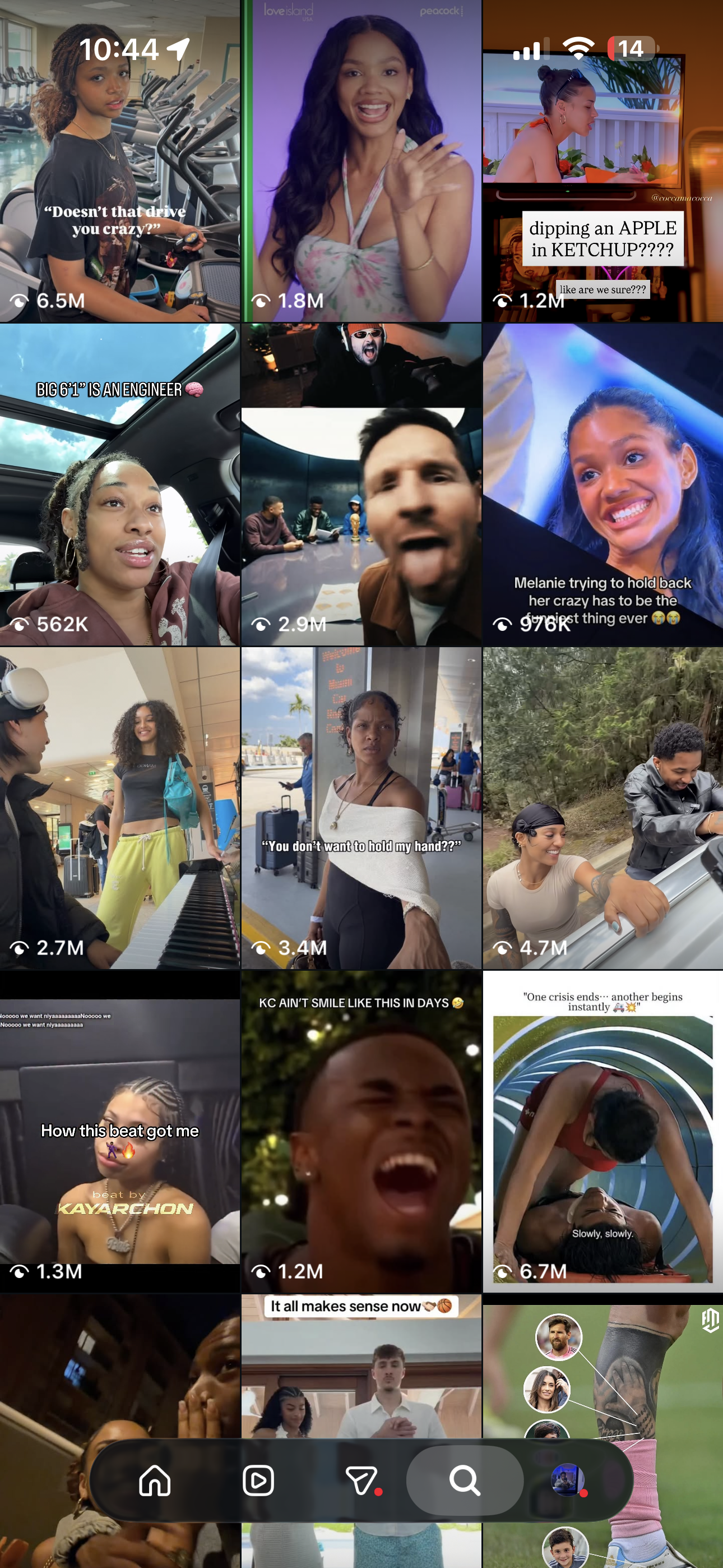
The recommendation demonstrates how algorithms make assumptions based on broad categories of interest rather than understanding the details of a person's identity. More importantly, many significant aspects of my life rarely appear on my Explore page. I am a pre-med student, an EMT trainee, a hospital volunteer, and a Christian. These roles and values are far more important to my daily life than many of the entertainment posts that dominate my feed. By emphasizing some interests while neglecting others, Instagram creates an incomplete version of who I am.
After reading the sources it reveals to me that algorithms influence users beyond simple recommendations. McDonald argues that "the social media mirror does not make them more self-reflective or challenge their sense of self." Instead, users often accept algorithmic representations without questioning their accuracy. I noticed this tendency while completing the assignment. Before analyzing my feed, I assumed it represented my interests fairly accurately. However, after reviewing my screenshots, I realized that many important aspects of my identity were either underrepresented or completely absent. Similarly, Bridge explains that "algorithms can influence and even train the thoughts, feelings and behaviors of billions of people." Rather than simply reflecting existing interests, algorithms actively shape users' experiences by determining which topics receive attention and which remain invisible.
Another important concept discussed by Bridge is social comparison. She explains that social media floods users with "highly curated images featuring people and slices of moments that show only what they want you to see." Many posts on my Explore page present idealized lifestyles, relationships, appearances, and experiences. These posts encourage users to compare themselves to others and can influence how people evaluate their own lives. In addition, Bridge warns that social media creates "information bubbles" that reinforce existing preferences and beliefs. My Explore page demonstrates this phenomenon because most recommendations reinforce interests that the algorithm already associates with me. As a result, the platform continuously strengthens certain parts of my identity while limiting exposure to different perspectives and interests.
Ultimately, my Instagram Explore page functions as a funhouse mirror rather than an accurate reflection of who I am. The algorithm correctly identifies some interests, such as my connection to Haitian culture and my enjoyment of entertainment content. However, it also exaggerates those interests while overlooking important aspects of my identity, including my academic goals, volunteer work, healthcare interests, and faith. The analysis demonstrates that algorithms do more than simply recommend content; they actively construct digital identities based on patterns of engagement. By amplifying some characteristics and minimizing others, social media algorithms create simplified versions of users that can influence how they see themselves and the world around them.
Figure 7. Updated Instagram Explore page captured after completing the original analysis.
The algorithm's influence: Shaping our digital world
Instagram's algorithm affects users by shaping what they see, think about, and engage with every day. Because the algorithm learns from our likes, searches, and viewing habits, it creates a personalized feed that can influence our interests and perspectives over time. One of the biggest insights I gained from this project is that algorithms do not simply reflect who we are—they also help shape our digital experiences. Understanding this can help users think more critically about the content they consume and the influence algorithms have on their daily lives.
Works cited
McDonald, Nora. "The funhouse mirror: How social media distorts our self-perception." Journal of Digital Identity, vol. 15, no. 2, 2023, pp. 45-60.
Bridge, Maria. "Algorithmic bias and the construction of digital identity." Digital Culture Review, vol. 8, no. 1, 2022, pp. 112-128.
Bridge, Maria. "6 Ways Social Media Hacks Your Brain." Center for Humane Technology, YouTube, https://www.youtube.com/watch?v=q5deOCwewWk.
McDonald, Nora. "Teens See Social Media Algorithms Reflect Their Identities." The Conversation, 2024, https://theconversation.com/.
Personal Instagram Explore Page screenshots captured by the author, June 2026.